The global health landscape is shifting. In addition to the recent pandemic, we face a rising tide of chronic diseases, climate-related health threats, and deep-seated social inequalities. Today, specialists in public health are the architects of a healthier, more equitable future. At its core, public health is both a science and an art. It is the practice of “preventing disease, prolonging life, and promoting health through the organised efforts of society”.
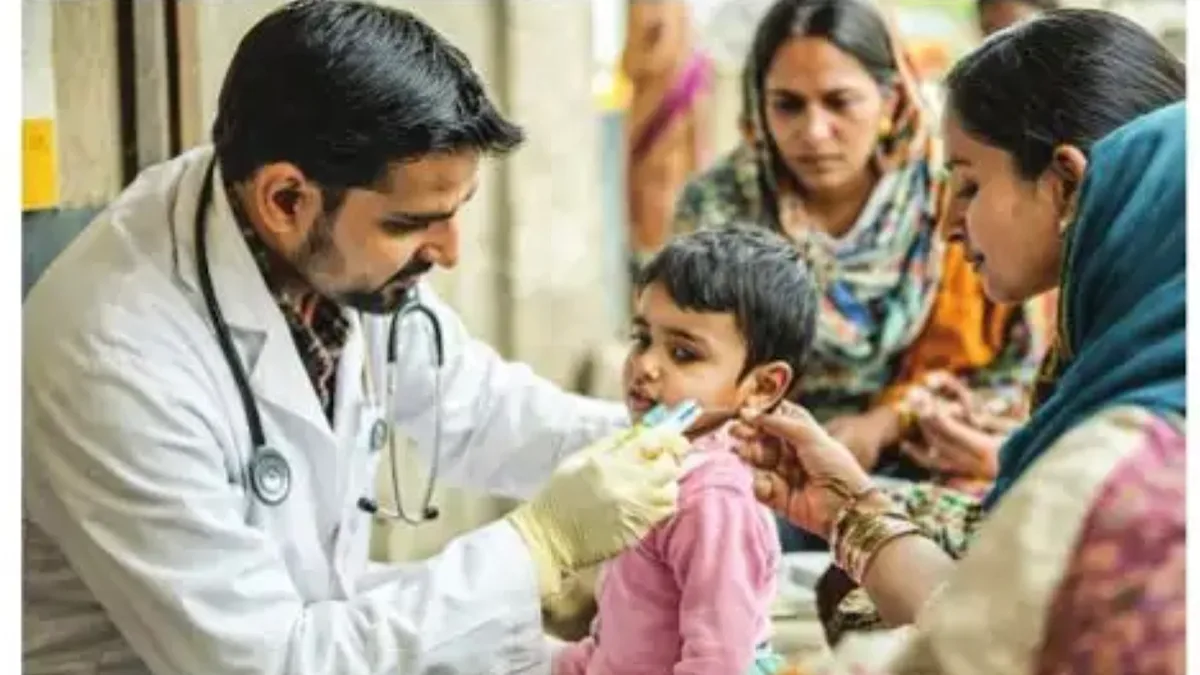
Unlike clinical medicine, which focuses on treating the individual patient, public health directs its efforts towards the health of entire populations. It asks not just “How do we treat this disease?” but “How do we prevent it from reaching the community in the first place?” While the COVID-19 pandemic exposed global vulnerabilities to emerging pathogens, the modern reality of the field is far broader than crisis management alone. Today’s public health workforce operates at the intersection of scientific rigour, strategic policy making, and human connection. Guided by global initiatives like the United Nations’ Sustainable Development Goals, they tackle the world’s most pressing challenges.
Advertisement
These include the rising rates of non-communicable diseases (NCDs) such as diabetes – a particular concern in India, often dubbed the “diabetes capital of the world” – as well as cardiovascular conditions, the persistent threat of infectious outbreaks and deep-seated health inequalities. Many nations are also grappling with a “double burden” of malnutrition, where undernutrition coexists with rising levels of obesity due to unequal access to nutritious food. Furthermore, climate change is escalating threats to health by degrading air quality, compromising water safety, and threatening food security. The World Health Organisation (WHO) predicts that by the 2030s, climate change will cause an additional 250,000 deaths annually.
In India, this is evident in the daily realities reflected in urban smog and the increasing frequency of extreme heatwaves. As we navigate these global threats, the goal of public health is to promote health through systematic, population-level efforts. A Master’s in Public Health (MPH) is a multidisciplinary degree that equips graduates with the skills to address large-scale determinants of health. The degree attracts students from diverse backgrounds and typically covers key pillars. Epidemiology, often described as the “detective work” of health, epidemiology allows practitioners to identify the patterns and root causes of diseases.
By identifying where and why health outcomes are poorer for specific groups, graduates can develop targeted interventions. Another important area is health policy and management, which teaches students to navigate the complexities of healthcare policy, economics, and administration. It is about designing systems – like India’s ambitious Ayushman Bharat- that are effective, affordable and sustainable. MPH programmes also emphasise research methods, where students master quantitative and qualitative methods to generate evidence, analyse population health trends, and evaluate interventions. This ensures that public health policies and programmes are grounded in scientific proof.
Finally, health promotion focuses on enabling populations to increase control over their own health. Graduates apply behavioural theory and policy advocacy to encourage healthier lifestyle choices across entire communities. The versatility of the MPH degree opens doors to various professional pathways, ranging from grassroots community advocacy to high-level policy making or rigorous scientific research. Within governmental organisations, graduates serve as health officers and policy advisors, shaping national programmes like disease surveillance and immunisation. Others find their calling in the non-profit sector, leading frontline initiatives to improve maternal health or sanitation in underserved regions. For those drawn to the private sector, healthcare organisations and pharmaceutical companies seek MPH graduates to manage population health outcomes and clinical trials.
Furthermore, international agencies such as the WHO or UNICEF offer roles coordinating global responses to health crises and environmental threats. For Indian students, training in public health offers powerful credentials to bridge the gap between local health challenges and global solutions. By pursuing an MPH, students gain the analytical tools to address domestic issues- from rural health access to the complexities of a rapidly digitising landscape- while gaining a credential that is recognised and respected worldwide. Ultimately, a Master’s in Public Health is more than just a postgraduate degree; it is a forward-looking qualification for those who seek to be at the helm of societal change.
It offers a rare combination of intellectual challenge and profound societal impact, transforming passionate individuals into strategic leaders. As the world becomes increasingly interconnected, the need for professionals who can navigate the complexities of population health has never been greater. By pursuing an MPH, you aren’t just starting a career – you are positioning yourself as an architect of a healthier, more equitable future.
THE WRITERS ARE SENIOR UNIVERSITY TEACHERS IN PUBLIC HEALTH AT THE UNIVERSITY OF SHEFFIELD, U.K.